The Family Factor: A T1D Risk Awareness Survey
New findings from a survey conducted by Beyond Type 1 and commissioned by Sanofi show a lack of disease awareness and persistent misconceptions around early risk detection exist among those with first degree family history of type 1 diabetes, despite being up to 15X more likely to develop the disease.
With tens of thousands of Americans diagnosed with T1D every year, often in emergency situations, and many in the dark about their familial risk, it's time to ring the alarm bell on The Family Factor.
Know your risk
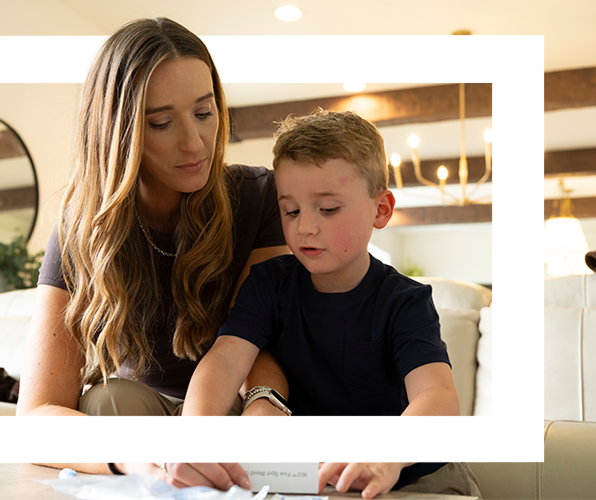
“I didn't even know what type 1 diabetes was. I would have never known to ask about our family history.”

31% of those surveyed are unaware that family history can increase a person's risk of developing T1D.

31% of those surveyed are unaware that family history can increase a person's risk of developing T1D.
Watch Kennedy & Kona’s story
When Kennedy was diagnosed with type 1 diabetes, her family was blindsided. Now, they screen their son Cameron annually and are sharing their story to encourage more families to learn about their risk and talk with their doctor about screening.
Know the Facts

“I was diagnosed at 22 and I had no idea that adults could get T1D. Now I have a toddler and I'm determined to screen her, especially knowing that there's a family risk.”

63% of those surveyed believe the disease is primarily diagnosed in children. In fact, over half are diagnosed as adults.
63% of those surveyed believe the disease is primarily diagnosed in children. In fact, over half are diagnosed as adults.

31% of those surveyed believe that screening is only available through specialists. Primary care physicians, pediatricians, and other HCPs can perform screenings and screening can even be done directly at home, at low to no cost.

31% of those surveyed believe that screening is only available through specialists. Primary care physicians, pediatricians, and other HCPs can perform screenings and screening can even be done directly at home, at low to no cost.
Despite concern, people still aren't screening
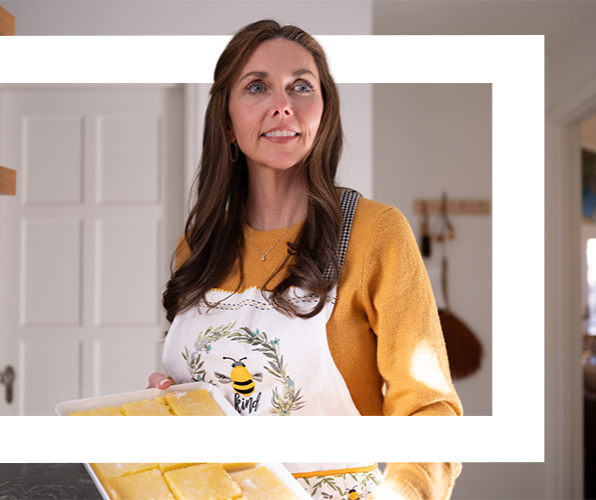
“While I was scared to know if anyone else could have this same diagnosis, I did not want another child going through what Taylor had gone through.”

82% of respondents expressed concern about their/their child's T1D risk

82% of respondents expressed concern about their/their child's T1D risk
Yet 46% are either not considering autoantibody screening or have not yet decided whether they would pursue it in the next six months

Yet 46% are either not considering autoantibody screening or have not yet decided whether they would pursue it in the next six months
What is stopping you from screening?
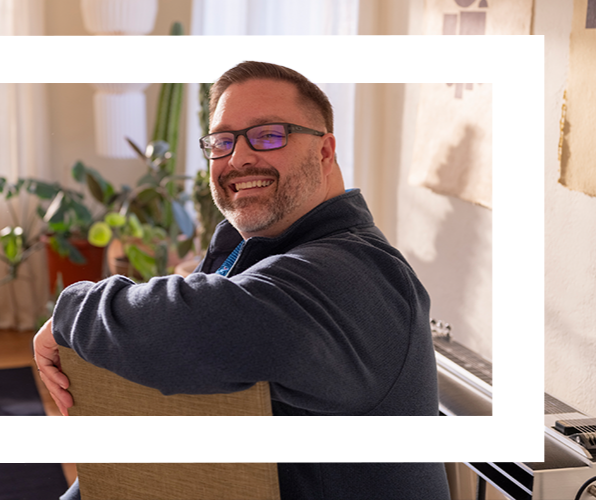
“At first my wife was unsure about screening, she didn’t want to be always worrying about T1D.
But together, we decided to have our children screened so we could be more proactive with management.”
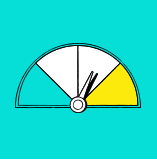
About 1 in 5 (21%) people surveyed said that a positive result would cause a lot of anxiety for them/their child

About 1 in 5 (21%) people surveyed said that a positive result would cause a lot of anxiety for them/their child
Real voices, real T1D experience.
Watch our collection of stories that drive home the importance of T1D awareness and screening, from both professional and patient perspectives.


Talk to your doctor about screening and advocate for your health.
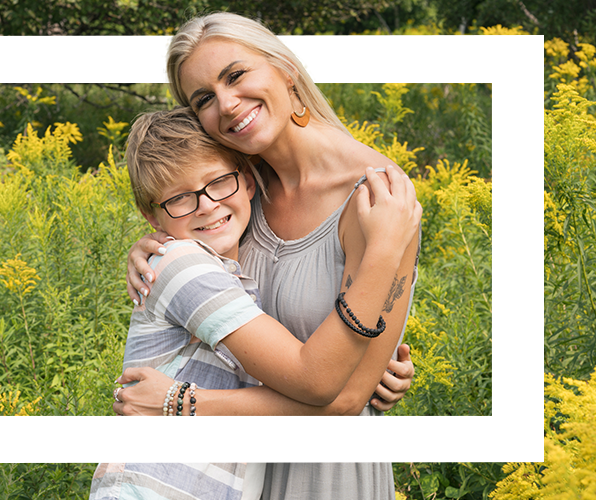
“If I can change just one other family's experience by encouraging them to screen, then I will feel like our terrifying experience was worth it.”

While 62% of those surveyed mentioned their doctor talked about their risk, conversations about autoantibody screening are less common. Only 28% of respondents familiar with screening reported their doctor initiated a discussion with them about it.

While 62% of those surveyed mentioned their doctor talked about their risk, conversations about autoantibody screening are less common. Only 28% of respondents familiar with screening reported their doctor initiated a discussion with them about it.
If you want to know more, read the full 2026 Family Factor survey, including methodology, and click here to learn how to screen.
This content was last updated in August 2026